ROOF CLEANING
THE SCIENCE & TECHNOLOGY OF SOFTWASH ROOF CLEANING
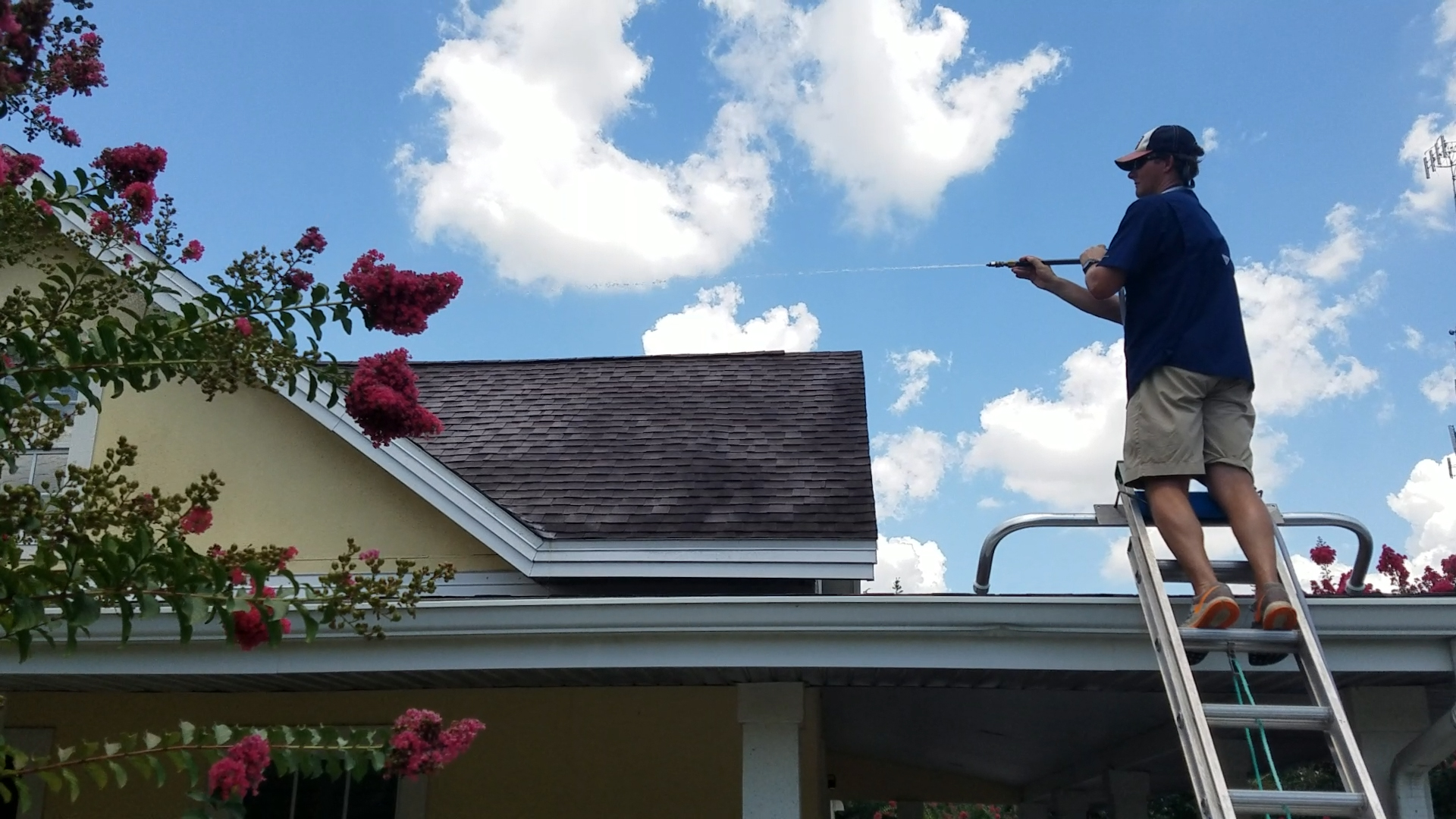
Black streaks, algae, mold, and roof stains are more than cosmetic issues. Professional roof cleaning using SoftWash Systems® soft washing technology eliminates organic growth at the source, restoring curb appeal and helping extend the life of your asphalt shingle roof.
OUR SERVICES
ROOF
CLEANING
EXTERIOR
CLEANING

WINDOW
CLEANING
SOLAR PANEL
CLEANING

DRIVE &
WALKS

DECKS &
ENCLOSURES
OUR SERVICES
ROOF
CLEANING
EXTERIOR
CLEANING
WINDOW
CLEANING
SOLAR PANEL
CLEANING
DRIVE &
WALKS
DECKS &
ENCLOSURES
THE TRUTH BEHIND ROOF STAINS: WHAT THEY ARE, WHY THEY APPEAR, AND HOW TO REMOVE THEM
Many homeowners believe the black streaks on their roof are caused by dirt, aging shingles, or asphalt leaking from the roof. In reality, these stains are typically caused by algae and other organic growth that thrive in warm, humid environments.
The roof cleaning industry emerged in the late 1980s and early 1990s, particularly throughout the Southern United States. Early roof cleaning methods focused on removing the visible stains rather than treating the cause. Today, we know that black roof streaks are a biological issue that requires a different approach.
Professional roof cleaning uses specialized soft washing methods and algaecide solutions to eliminate roof algae at its source. By treating the organic growth instead of simply washing the surface, soft wash roof cleaning delivers longer-lasting results while helping protect the life and appearance of your asphalt shingle roof.
At SoftWash Systems®, we pioneered a safer, more effective approach to roof stain removal, restoring beauty and extending the life of roofs without the damaging effects of high-pressure washing.
THE TRUE CULPRIT
The primary cause of black roof streaks is a cyanobacteria known as Gloeocapsa Magma. This airborne microorganism thrives in warm, humid environments and is responsible for the dark staining commonly seen on asphalt shingle roofs throughout the United States.
While Gloeocapsa Magma is the leading cause of roof discoloration, it often exists alongside other organic growth, including algae, mold, mildew, fungi, lichen, and moss. Together, these organisms create unsightly stains that can spread across the roof surface over time.
Modern asphalt shingles contain limestone fillers that provide a food source for these microorganisms. As they feed and multiply, they continue to grow and spread, causing increased roof staining and reducing curb appeal. Professional roof cleaning and soft washing treatments are designed to eliminate these organic contaminants at their source, restoring the roof’s appearance and helping protect its longevity.
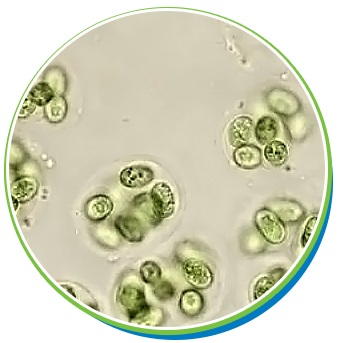
Microscopic View of Gloeocapsa Magma Cells
WHY SOFT WASHING IS THE BEST ROOF CLEANING METHOD
Soft washing is more than cleaning. The products developed for SoftWash systems not only clean stains but also sanitize, penetrate, and eliminate the root of the issue. The main culprit of most roof staining that causes prevalent black streaks is a bacteria called Gloeocapsa Magma. Soft washing has the ability to kill the pest from the root up, achieving a truly clean surface.
HOW ROOF ALGAE DAMAGES ASPHALT SHINGLES
The black streaks and organic growth on your roof are more than just an appearance issue. Organisms such as algae, fungi, moss, and lichen can attach themselves to roofing materials and gradually contribute to roof deterioration over time.
Much like a tree root can crack concrete or damage a structure, these microorganisms establish themselves on the roof surface and spread across shingles and tiles. As they grow, they can trap moisture, promote decomposition, and accelerate the aging process of your roofing system. This growth may also contribute to shingle lifting, curling, and separation, making the roof more vulnerable to the elements.
In addition to biological growth, water is one of nature’s most powerful forces. Once roofing materials begin to weaken, rainwater and moisture can increase erosion and further accelerate roof damage. That’s why routine roof cleaning and soft washing are essential for removing harmful organic growth before it can impact the performance and lifespan of your roof.
Professional soft wash roof cleaning helps eliminate algae, mold, mildew, moss, and lichen at their source, restoring your roof’s appearance while helping protect your investment.

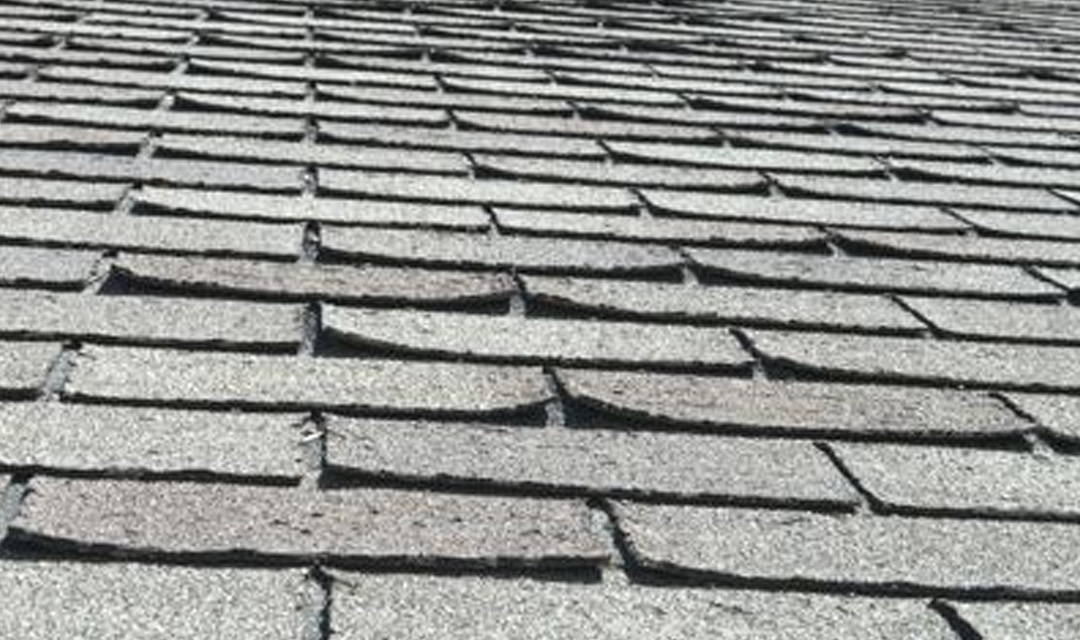
If you look at a picture of swollen, poorly maintained shingles you can clearly see four forces working away at them. There is no question that the shingles are being attacked. Let us break down the four areas of shingle deterioration caused by algae and fungi:
1. Shingles break down from decomposition caused by algae and fungal filament root systems. In the picture below, you can see how the shingles have cracks in them, thus curling and swelling.
2. Shingles break down because algae and fungi have a hunger for limestone fillers. Limestone, which contains phosphates, is an excellent source of nutrients for algae and fungi.
3. Shingles break down from the waste created by the algae and fungi metabolizing the limestone fillers. This waste is acidic and damages the shingles.
4. Shingles break down because of the excess heat caused by the darkening of the shingles. The darker the shingles get from algae streaking, the more heat they absorb. This excess heat dries the shingles and ages the petroleum in them.
FREQUENTLY ASKED QUESTIONS ABOUT ROOF CLEANING
What causes black streaks on roofs?
Black roof streaks are typically caused by a type of airborne cyanobacteria called Gloeocapsa Magma. This organism feeds on the limestone fillers found in many asphalt shingles, creating dark stains that spread across the roof surface.
Is roof cleaning safe for asphalt shingles?
Yes. Professional soft wash roof cleaning is specifically designed to safely clean asphalt shingle roofs without the damaging effects of high-pressure washing. Soft washing removes algae, mold, mildew, and other organic growth while protecting the integrity of the shingles.
Does roof cleaning extend the life of my roof?
Removing algae, mold, mildew, moss, and lichen helps reduce unnecessary wear and deterioration. Regular roof cleaning can help maintain the appearance and condition of your asphalt shingle roof.
How often should a roof be cleaned?
Most roofs benefit from professional roof cleaning every 3 to 5 years, depending on climate, shade, humidity, and the amount of organic growth present.
Can algae damage asphalt shingles?
Algae can contribute to roof discoloration and may accelerate the aging process of roofing materials. Over time, excessive organic growth can impact both the appearance and performance of asphalt shingles.
Is soft washing better than pressure washing for roofs?
Yes. Soft washing treats and removes organic growth at its source using specialized cleaning solutions. Pressure washing may remove surface stains temporarily but can damage shingles and shorten the life of the roof.
Will roof cleaning void my roof warranty?
Many roofing manufacturers recommend non-pressure cleaning methods for removing algae and stains. Always review your manufacturer’s warranty requirements, but professional soft washing is widely recognized as the preferred cleaning method for asphalt shingle roofs.
How long do roof cleaning results last?
Results vary based on climate and environmental conditions, but many homeowners enjoy a clean roof for several years after a professional soft wash roof cleaning service.
Can roof cleaning remove moss and lichen?
Yes. Professional soft washing helps eliminate moss, lichen, algae, mold, and mildew from roof surfaces. Existing growth is treated at the source to help prevent rapid regrowth.
Why choose SoftWash Systems® for roof cleaning?
SoftWash Systems® pioneered the soft washing industry and provides a proven roof cleaning process that safely removes roof stains, algae, mold, mildew, moss, and lichen while protecting your asphalt shingle roof.